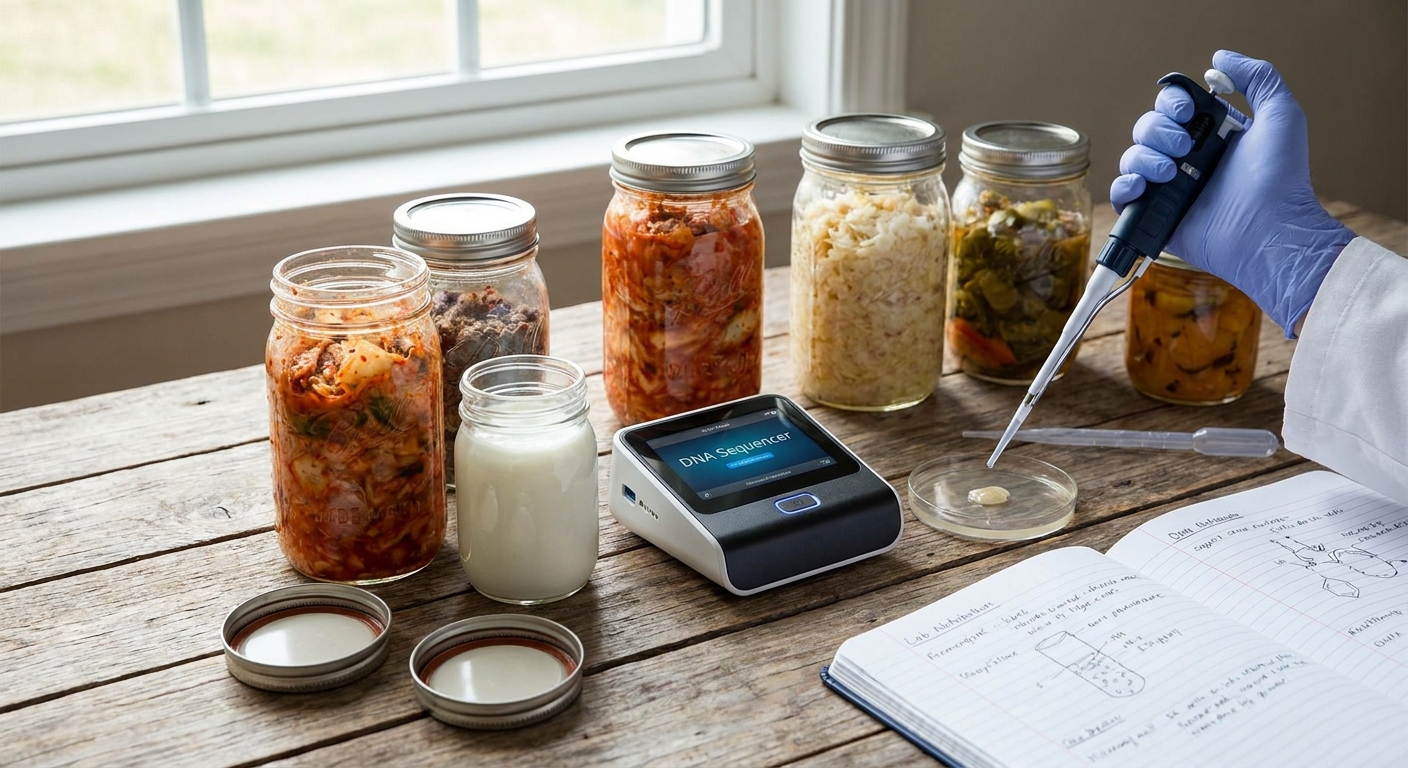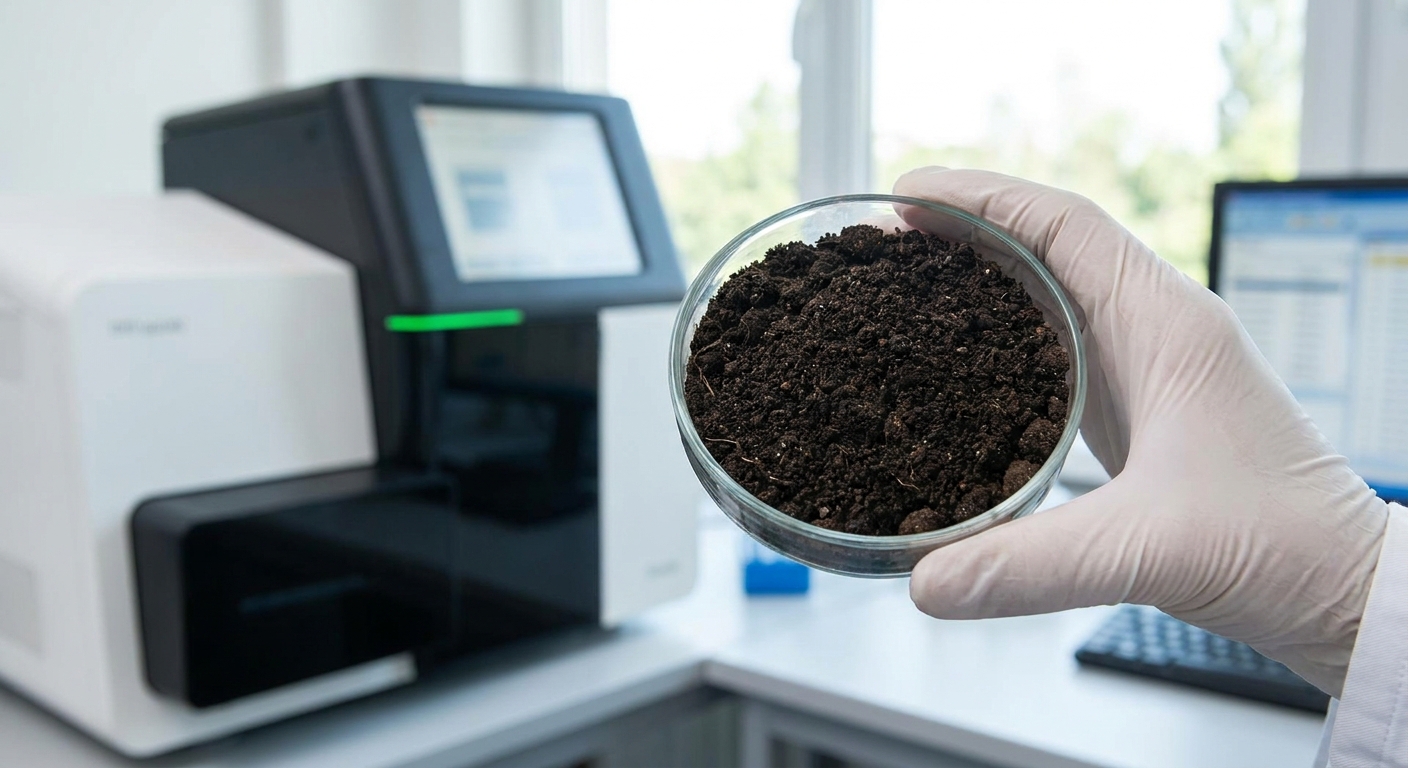

Choosing whole genome sequencing for plant breeding programs means matching read strategy, coverage depth, and turnaround time to your crop's ploidy, population size, and breeding cycle — not just picking whichever platform a vendor pitches first.
- Short-read WGS at 30x coverage is the Buy pick for breeding populations over 200 lines needing SNP calling.
- Long-read WGS (PacBio HiFi, Nanopore) is a Consider pick, reserved for building a new reference genome or resolving structural variants.
- Genotyping-by-sequencing is a budget Consider option, but skip it for genomic selection models needing dense SNP coverage.
- Whole genome sequencing cost in India for plant breeding varies with coverage depth and sample count — check current figures before budgeting a 2026 breeding cycle.
- Avoid vendors quoting under 10x coverage as whole genome for heterozygous or polyploid crops — it undercalls variants.
Why this matters
A breeding program that picks the wrong sequencing strategy loses a season, not a sample. Genomic selection models built on sparse SNP data underperform in the field, and structural variants that drive disease resistance or yield traits go undetected when coverage is too shallow or reads too short.
Yaazh Xenomics runs NGS, Sanger sequencing, and HPC-driven bioinformatics pipelines under ISO 9001:2015 certification — the same infrastructure class that clinical genomics teams use for exome and whole-genome work applies directly to plant genome resequencing, SNP discovery, and genomic selection panels. The technical questions are identical whether the sample is a rice cultivar or a human exome: how much coverage, which read length, and how fast does the data come back.
Who this is for
This guide is for breeding program leads, agri-biotech researchers, and seed company genomics teams running marker-assisted selection, QTL mapping, or genomic selection across a crop panel — not hobbyist growers and not labs doing single-gene genotyping. If your program needs SNP density high enough to build a genomic prediction model, or you're assembling a reference genome for a new cultivar, the decisions below apply to you directly.
What to look for in whole genome sequencing for plant breeding
Coverage depth matched to your population size
Coverage depth determines whether you can call heterozygous sites reliably, and polyploid crops need more depth than diploids to separate homeologous copies. A program running 500+ lines for genomic selection needs consistent coverage across every sample, not a high-depth pilot batch followed by shallow production runs.
Reference genome availability for your crop
If a reference genome already exists for your species, resequencing against it is faster and cheaper than de novo assembly. If it doesn't, your first WGS run needs to prioritize contiguity and completeness over sample throughput, which changes the read strategy entirely.
Turnaround time against your breeding calendar
Sequencing data that arrives after the next planting window is data you can't act on for a full cycle. Match turnaround commitments to your crossing and selection schedule before locking in a vendor, and get the estimate in writing for the specific sample count you're submitting.
Bioinformatics pipeline for SNP calling and genomic prediction
Raw reads are not breeding decisions. You need variant calling, filtering, and a pipeline that outputs formats your genomic selection software can ingest directly — VCF files with consistent annotation, not a folder of FASTQ files and a shrug.
Sample logistics and DNA extraction quality
Leaf tissue degrades fast, and DNA extraction quality determines library prep success more than any downstream step. A lab that specifies extraction protocols and QC thresholds up front saves you a failed run mid-season.
Data delivery format and downstream compatibility
Ask what you get at the end: aligned BAMs, called VCFs, annotated variants, or raw reads only. The gap between delivering data and delivering a file your GWAS pipeline can open is where most breeding programs lose weeks.
Top picks for plant breeding whole genome sequencing
Short-read WGS (Illumina-class platforms) — the workhorse pick. Standard depth for SNP calling across breeding populations sits around 30x coverage per sample, and the per-sample cost scales down as batch size goes up. This is the strategy for genomic selection panels running hundreds of lines where you need dense, accurate SNP calls, not structural detail. Buy for panels over 200 lines with an existing reference genome.
Long-read WGS (PacBio HiFi, Oxford Nanopore) — the structural variant specialist. Read lengths well past 10kb resolve repeat regions, large insertions, and structural rearrangements that short reads miss entirely. This is the right call when you're chasing a disease-resistance locus tied to a structural variant, not a single SNP. Consider it for targeted trait discovery work, skip it as your default for large-population screening — cost per sample runs higher and throughput is lower.
Hybrid assembly (short-read plus long-read) — the completionist. Combining both read types builds a contiguous, gap-free reference genome, which matters when no reference exists yet for your crop. This is a one-time investment per species, not a per-cycle cost. Buy if you're establishing a new reference genome; skip it if a usable reference already exists for your crop.
Genotyping-by-sequencing (GBS) — the budget pick. Reduced-representation sequencing cuts cost per sample sharply versus full WGS, at the expense of SNP density and genome coverage uniformity. It works for large panels where you need broad genetic diversity screening but not every base covered. Consider it for early-stage diversity panels, skip it for final genomic selection models needing dense marker coverage.
Targeted resequencing against a known reference — the fast follow. Once a reference genome exists, resequencing new lines against it is quicker to analyze and cheaper per sample than de novo work every cycle. This is the standard production mode for an established breeding program running yearly cycles through 2026 and beyond. Buy for ongoing programs with a stable reference genome.
“If your breeding population exceeds 500 lines, short-read resequencing beats long-read on cost per sample every single cycle.”
What to avoid
- Sub-10x coverage sold as whole genome. For heterozygous diploids and especially polyploid crops, coverage below 10x misses variant calls and inflates false negatives in genomic selection models.
- Human WGS pipelines applied to polyploid crops without modification. Standard diploid variant callers mis-assign reads in polyploid genomes; the pipeline needs to account for ploidy explicitly or your SNP calls will be wrong in ways that are hard to catch downstream.
- Vendors quoting a single flat turnaround regardless of sample count or crop complexity. A 50-sample rice panel and a 500-sample maize genomic selection cohort do not run on the same timeline, and any quote that ignores that difference is a red flag.
Scope your breeding program WGS run
Send crop, population size, and ploidy for a coverage and turnaround estimate.
Verdict comparison table
| Strategy | Best for | Typical coverage/reads | Verdict |
|---|---|---|---|
| Short-read WGS | Large SNP panels, genomic selection | ~30x depth | Buy for 200+ line panels |
| Long-read WGS | Structural variants, disease loci | 10kb+ reads | Consider for targeted discovery |
| Hybrid assembly | New reference genome | Short + long combined | Buy once per crop without a reference |
| GBS | Broad diversity screening | Reduced-representation | Consider early, skip for final models |
| Targeted resequencing | Ongoing production cycles | Reference-aligned | Buy for established programs |
For a full breakdown of pricing structure, the whole genome sequencing cost in India page walks through what drives per-sample cost — the same coverage-and-sample-count math applies whether the panel is clinical or agricultural.
FAQ
What is whole genome sequencing for plant breeding?
Whole genome sequencing for plant breeding is the process of reading a crop's entire DNA sequence to identify SNPs and structural variants used for marker-assisted selection and genomic prediction. It replaces single-marker genotyping with genome-wide data that supports denser, more accurate breeding decisions.
How much does whole genome sequencing cost for a breeding program in 2026?
Cost depends on coverage depth, sample count, and read strategy — short-read resequencing runs cheaper per sample than long-read or hybrid assembly. Check current per-sample pricing before budgeting a 2026 breeding cycle since batch size changes the math significantly.
What coverage depth do I need for genomic selection?
Most breeding populations run around 30x coverage for reliable SNP calling in diploid crops, with higher depth needed for polyploid species. Coverage below 10x undercalls heterozygous variants and weakens genomic prediction accuracy.
Short-read vs long-read sequencing — which is better for plant genomes?
Short-read sequencing wins on cost and throughput for large SNP panels, while long-read sequencing wins on resolving structural variants and repeat regions. Most established breeding programs default to short-read resequencing and reserve long-read for targeted trait discovery.
Can whole genome sequencing work for polyploid crops?
Yes, but polyploid crops need higher coverage depth and ploidy-aware variant calling pipelines to separate homeologous gene copies correctly. Standard diploid pipelines applied without modification produce unreliable SNP calls in polyploid genomes.
How long does whole genome sequencing turnaround take for a breeding cycle?
Turnaround depends on sample count and read strategy, and it should be matched against your planting and crossing calendar before you commit to a vendor. Get a written estimate for your specific sample count rather than relying on a generic quoted timeline.
Do I need a reference genome before starting whole genome sequencing?
No, but having one changes your strategy — resequencing against an existing reference is faster and cheaper than de novo assembly. If no reference exists for your crop, a hybrid short-read plus long-read approach builds one as a one-time investment.
Is genotyping-by-sequencing enough instead of full whole genome sequencing?
Genotyping-by-sequencing works for broad diversity screening at lower cost, but it lacks the SNP density needed for final genomic selection models. Use it for early-stage panels and switch to full whole genome sequencing once you're building the prediction model.
One last thing
The single biggest cost driver in a plant breeding WGS budget isn't the sequencing platform — it's sample count multiplied by coverage depth, and most programs over-order coverage on samples that only need genotyping-level resolution. Run a tiered strategy instead: full WGS on a founder panel to anchor your reference, then resequencing or GBS on the larger breeding population, and you'll cut per-cycle cost without losing the SNP density your genomic selection model actually needs.