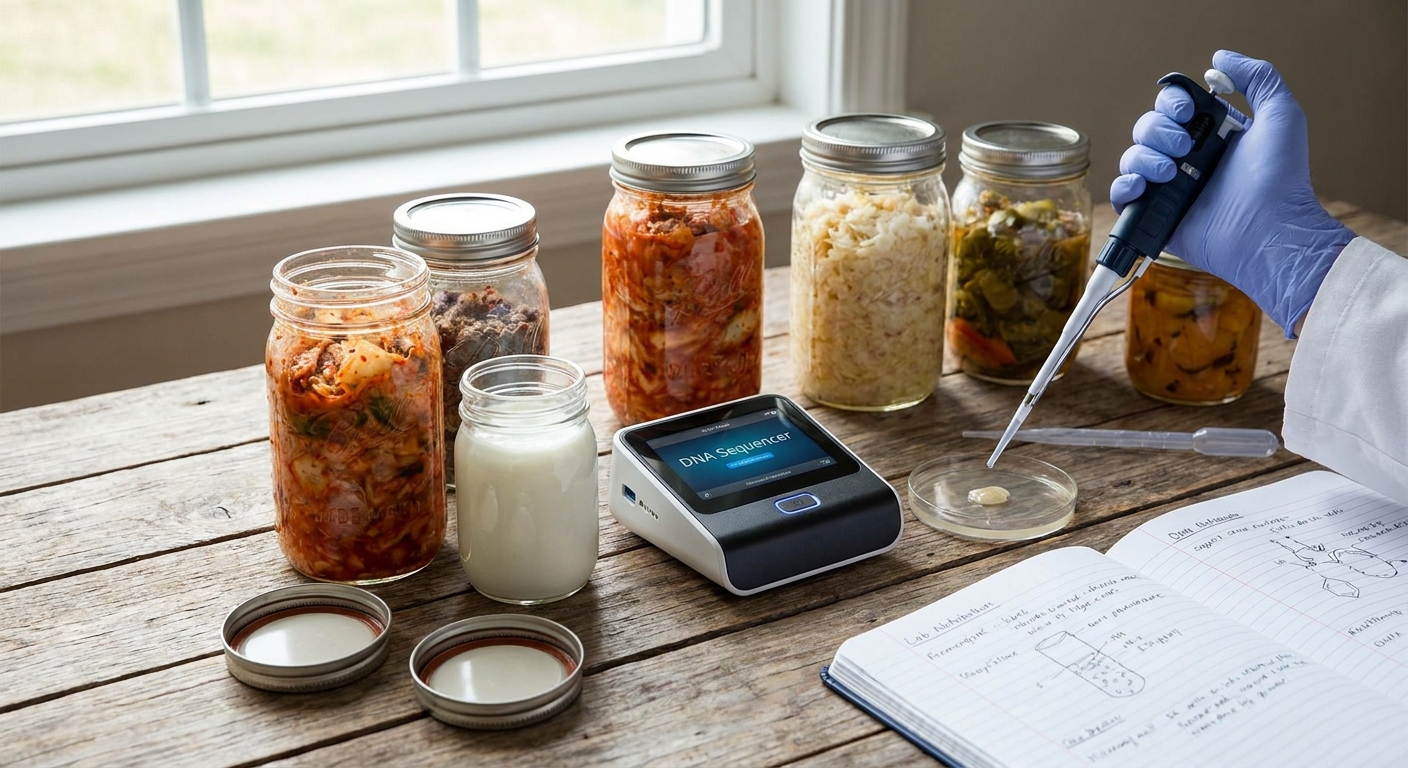

NGS panel testing for hereditary cancer screening groups clinically actionable genes — BRCA1, BRCA2, TP53, MLH1, MSH2, MSH6, PALB2, and dozens more — into a single next-generation sequencing run, replacing slow gene-by-gene Sanger testing with a faster, more affordable path to a diagnosis. This guide breaks down how to pick the right NGS panel for hereditary cancer screening in 2026, whether you're a genetic counselor, an oncology practice, or a diagnostic lab evaluating a testing partner.
- Multi-gene hereditary cancer panels covering 25-50 genes are the balanced pick for most clinics in 2026 — Buy.
- Focused BRCA1/BRCA2 testing still wins when a family mutation is already known — Consider.
- Panels above 80 genes push variant-of-uncertain-significance rates past 30% — Wait unless the case is research-driven.
- Confirmatory Sanger sequencing on every NGS-positive result is non-negotiable for clinical reporting — Buy.
Why this matters
A missed hereditary cancer mutation costs more than a test fee — it costs surveillance windows, prophylactic surgery timing, and cascade testing for relatives who never get warned. An NGS panel for hereditary cancer screening run on a validated pipeline with 99.9% base accuracy catches single-nucleotide variants and small indels across dozens of genes in one pass, at a fraction of the cost of testing each gene separately through Sanger sequencing.
The catch in 2026 is panel design. Broader isn't automatically better: bigger panels mean more variants of uncertain significance (VUS), and a VUS report that a physician can't act on creates more anxiety than clarity. Picking the right panel size and reporting standard for the clinical question in front of you matters more than chasing gene count.
Genomics labs like Yaazh Xenomics run hereditary cancer NGS panels through ISO 9001:2015 certified workflows in Coimbatore, pairing Illumina-based sequencing with confirmatory Sanger sequencing on every reportable variant — a workflow structure worth checking for on any panel you're evaluating.
Who this is for
This guide is written for genetic counselors, medical oncologists, hospital pathology departments, and diagnostic lab directors choosing or re-evaluating an NGS panel for hereditary cancer screening programs in 2026. It also applies to biotech and pharma teams building cascade-testing protocols for high-risk cohorts, where turnaround time and reporting consistency across hundreds of samples matter as much as accuracy.
What to look for in an NGS panel for hereditary cancer screening
Panel breadth matched to clinical indication
A panel should reflect the syndrome being ruled out, not a maximum gene count for its own sake. A Lynch syndrome workup needs MLH1, MSH2, MSH6, PMS2, and EPCAM — adding 60 unrelated genes only inflates the VUS pile without improving the diagnostic yield for that indication.
Turnaround time for actionable results
Clinical decisions — prophylactic mastectomy timing, colonoscopy surveillance intervals — wait on the report. A panel with a 10-14 day turnaround in 2026 keeps pace with treatment planning; anything past three weeks starts to affect care decisions, especially for newly diagnosed cancer patients weighing surgical options.
ACMG-based variant classification and reporting
Every reported variant should carry an ACMG classification (pathogenic, likely pathogenic, VUS, likely benign, benign), not a raw sequencing readout. Reports that skip this step push interpretation work onto the ordering physician, who usually isn't trained to re-classify a missense variant.
Confirmatory Sanger sequencing built into the workflow
NGS produces false positives at low but real rates, especially at low read depth or in GC-rich regions like exon 1 of some tumor suppressor genes. Any positive finding used for a clinical decision — surgery, chemoprevention, cascade testing — should be confirmed on an independent Sanger sequencing run before it reaches the patient.
Lab accreditation and sequencing depth
ISO 9001:2015 certification and a documented mean read depth (100x-500x depending on panel design) tell you whether the lab can back its accuracy claims with process controls, not just marketing language. Ask for the coverage depth on the specific genes in your panel, not just an average across the whole run.
Bioinformatics pipeline transparency
The variant-calling pipeline — aligner, caller, reference genome build, filtering thresholds — should be disclosed on request. A lab that can't describe its own pipeline can't explain why a borderline call was classified the way it was.
Talk to a genomics lab about your panel
Discuss gene lists, turnaround times, and reporting formats for your cohort.
Top picks: which NGS panel for hereditary cancer screening fits your case
Focused BRCA1/BRCA2 panel — the targeted pick. Two genes, one clear clinical question. Turnaround runs 5-7 days in most labs, and VUS rates stay under 10% because the gene set is small and well-characterized. This is the right call when a family already has a known BRCA mutation and you're testing relatives for that specific variant. Verdict: Buy for known-mutation cascade testing; Skip if the family history suggests a non-BRCA syndrome.
Multi-gene hereditary cancer panel (25-50 genes) — the balanced pick. Covers BRCA1, BRCA2, TP53, PALB2, CHEK2, ATM, the Lynch syndrome genes, and other moderate-to-high penetrance genes in one run. Turnaround sits around 10-14 days, and VUS rates land in the 15-20% range — manageable with proper counseling. This is the default recommendation for most oncology and genetics clinics screening a patient with a suggestive but non-specific family history in 2026. Verdict: Buy.
Expanded pan-cancer panel (80+ genes) — the wide net. Adds low-penetrance and emerging-evidence genes to the multi-gene set. Turnaround extends to 14-21 days, and VUS rates climb past 30% — meaning nearly a third of results may come back with no clear clinical action attached. Useful for research cohorts or complex, unexplained multi-cancer family histories where a negative multi-gene panel already came back clean. Verdict: Consider for research or refractory cases; Wait for routine screening.
Exome-based hereditary cancer screen — the future-proof pick. Sequences the coding exome and filters to a hereditary cancer gene list, keeping the option open to re-analyze the raw data as new genes get linked to cancer risk. Turnaround runs 21-28 days and cost scales with exome-wide sequencing rather than a fixed panel fee — worth checking current whole genome sequencing cost in India before committing, since exome and genome-based approaches price differently than a fixed gene panel. Verdict: Consider for patients likely to need re-analysis in future years; Skip if a fast, single answer is the priority.
Confirmatory Sanger sequencing add-on — the closer. Not a screening panel on its own, but the step that turns an NGS finding into a reportable clinical result. Adds 3-5 days and confirms a single variant at a time. Any hereditary cancer NGS panel without this step in its standard workflow should raise a flag. Verdict: Buy — treat it as mandatory, not optional.
What to avoid
- Direct-to-consumer ancestry-style tests marketed as cancer risk screens. These typically check a handful of common variants, not the full coding sequence of BRCA1/BRCA2, and miss the majority of pathogenic mutations in comprehensive panels.
- Panels with no ACMG classification in the report. A raw variant list without pathogenicity tiers pushes interpretation onto a physician who has no way to weigh a missense change against population frequency data.
- Any lab skipping confirmatory Sanger sequencing on reportable variants. A single unconfirmed NGS call used to guide a prophylactic surgery decision is a preventable error, not an acceptable shortcut.
Verdict comparison
| Panel type | Gene count | Turnaround | VUS risk | Verdict |
|---|---|---|---|---|
| Focused BRCA1/BRCA2 | 2 genes | 5-7 days | Low (under 10%) | Buy for known mutations |
| Multi-gene hereditary cancer panel | 25-50 genes | 10-14 days | Moderate (15-20%) | Buy for most cases |
| Expanded pan-cancer panel | 80+ genes | 14-21 days | High (over 30%) | Consider for research |
| Exome-based screen | Exome-wide, filtered | 21-28 days | Variable | Consider for re-analysis needs |
| Confirmatory Sanger add-on | 1 gene per run | 3-5 days | N/A | Buy — treat as mandatory |
FAQ
What is the best NGS panel for hereditary cancer screening in 2026?
A multi-gene panel covering 25-50 genes, including BRCA1, BRCA2, TP53, PALB2, and the Lynch syndrome genes, is the best fit for most clinics in 2026. It balances a 10-14 day turnaround against a manageable 15-20% variant-of-uncertain-significance rate.
Is a multi-gene panel better than single BRCA1/BRCA2 testing?
A multi-gene panel is better when the family history doesn't point clearly to BRCA, since it catches Lynch syndrome and other hereditary cancer genes in the same run. Single BRCA1/BRCA2 testing still wins for cascade testing when a family mutation is already confirmed.
How much does NGS panel testing for hereditary cancer screening cost?
Cost scales with panel size and gene count, with focused panels priced lower than expanded or exome-based screens. Check current pricing directly with the lab, since fees vary by panel design and turnaround tier.
How long does hereditary cancer NGS panel testing take?
Most multi-gene panels return results in 10-14 days, with focused two-gene panels finishing in 5-7 days. Expanded pan-cancer and exome-based panels take longer, typically 14-28 days.
What does a variant of uncertain significance (VUS) mean on a hereditary cancer report?
A VUS means the lab found a genetic change but current evidence isn't enough to call it disease-causing or harmless. VUS rates rise with panel size — from under 10% on a focused BRCA panel to over 30% on an 80-plus gene panel.
Does hereditary cancer NGS testing need confirmatory Sanger sequencing?
Yes, any variant used for a clinical decision should be confirmed by an independent Sanger sequencing run before it reaches the patient. This step catches the low but real false-positive rate inherent to NGS.
Can hereditary cancer NGS panels be used for research cohorts?
Yes, expanded pan-cancer panels with 80 or more genes are commonly used in research settings where a broader gene set outweighs the higher VUS burden. Clinical screening programs generally do better with a tighter, indication-matched panel.
One last thing
Lynch syndrome, the most common hereditary cause of colorectal and endometrial cancer, is estimated to affect roughly 1 in 279 people in the general population — yet it accounts for a much larger share of colorectal cancer diagnosed before age 50. A hereditary cancer NGS panel that skips MSH6 and PMS2 to keep the gene list short will miss a meaningful fraction of these cases, since both genes carry lower but real penetrance. Check the exact gene list before assuming a panel covers Lynch syndrome completely.